Server Environment

Nel
Posted on 6 June 2024



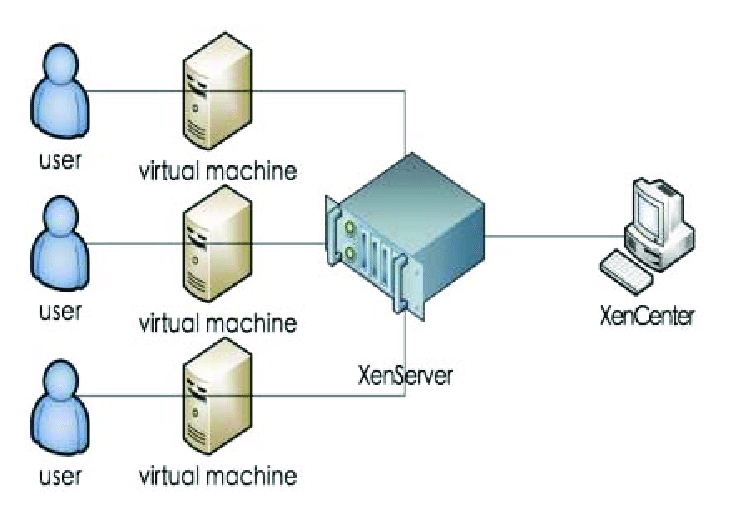
A server environment refers to the hardware, software, and network infrastructure used to support and manage computer servers. It encompasses the physical components, such as servers, storage devices, and networking equipment, as well as the operating systems, applications, and configurations that enable servers to perform specific functions.
Imagine a server environment as a bustling city infrastructure. Just like a city requires roads, buildings, utilities, and services to function smoothly, a server environment comprises servers, storage devices, networking components, and software systems working together to deliver data, applications, and services to users.
A server environment typically includes the following components:
Hardware: This includes server computers, storage arrays, networking switches, routers, and other physical devices that form the backbone of the server infrastructure.
Operating Systems: Servers run specialized operating systems like Linux, Windows Server, or UNIX, which manage hardware resources and facilitate the execution of applications and services.
Virtualization: Virtualization software enables the creation of virtual instances of servers, allowing multiple operating systems and applications to run on a single physical server, thereby maximizing resource utilization and flexibility.
Middleware: Middleware software provides services and connectivity between different applications and systems in the server environment, facilitating communication and data exchange.
Applications and Services: Servers host various applications and services, including web servers, database servers, email servers, file servers, and application servers, catering to different user needs and business requirements.
Security Mechanisms: Security measures such as firewalls, intrusion detection systems, encryption protocols, and access controls safeguard the server environment against unauthorized access, data breaches, and cyber threats.
Reliability and Availability: A robust server environment ensures continuous availability of critical services and data, minimizing downtime and disruptions to business operations.
Scalability and Performance: Scalable server environments can accommodate growing workloads and user demands by adding resources or optimizing configurations to maintain performance levels.
Data Management and Storage: Server environments provide centralized data storage and management capabilities, enabling efficient access, retrieval, and backup of critical information.
Resource Optimization: Through virtualization and resource allocation techniques, server environments optimize hardware resources to improve efficiency and reduce operational costs.
Security and Compliance: Implementing robust security measures and compliance protocols within the server environment helps protect sensitive data and ensure regulatory adherence.
Cloud Computing Platforms: Cloud service providers offer server environments as a service, enabling businesses to access scalable and flexible computing resources over the internet.
Enterprise Data Centers: Large organizations maintain their server environments in on-premises data centers or colocation facilities to support internal operations and customer services.
Web Hosting Services: Web hosting companies provide server environments for hosting websites, applications, and online services, catering to businesses and individuals seeking online presence and functionality.

In today’s hyper-competitive business landscape, providing exceptional customer support is no longer a choice; it’s a necessity. Customer expectations are higher than ever, and businesses that can’t meet these expectations risk losing customers to competitors who can. One solution that has revolutionized the way businesses manage their customer support operations is SAP Customer Relationship Management...


Latam Developer Rates Your Guide To Venture Capital Firms in Australia – 2023 Related Posts Gigster Review Andela Review Hire Nearshore Developers Cost of hiring LATAM developers Toptal Alternatives Toptal Review – Is Toptal worth your money? The startup landscape in Australia can be tough, especially if you’re in need of investors...

The beauty of WordPress, a leading open-source content management system, lies in its flexibility and scalability. At the heart of this flexibility is the availability of a multitude of themes that can transform the visual aesthetics and functionality of your website. Among these, the Overlay WordPress theme emerges as a front-runner, offering a combination of...




