

Bringing a new remote engineer onto the team is more than just ticking boxes on a checklist. It's your very first, and best, chance to show them they've made the right choice. This isn't just about sending a laptop and a welcome email; it's a carefully planned journey that covers everything from technical readiness to […]

Bringing a new remote engineer onto the team is more than just ticking boxes on a checklist. It's your very first, and best, chance to show them they've made the right choice. This isn't just about sending a laptop and a welcome email; it's a carefully planned journey that covers everything from technical readiness to making them feel like a genuine part of the culture.
Done right, this process turns a new name on Slack into a committed, high-performing teammate who's ready to do their best work from day one.
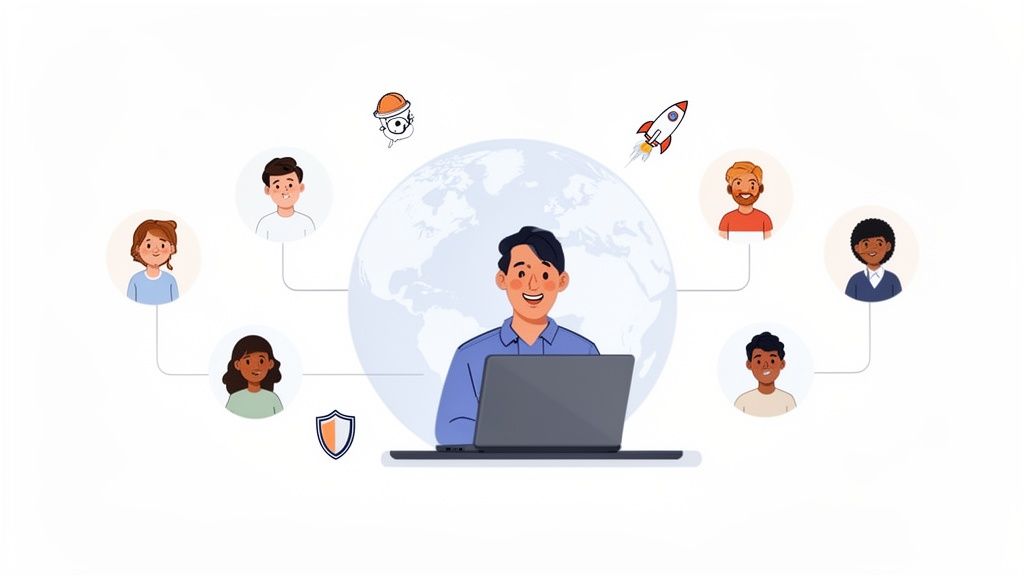
In today's market, the best software engineers are everywhere, not just in your city. Your ability to bring them into the fold smoothly isn't just an HR task—it’s a real competitive advantage. A clumsy or impersonal onboarding experience is a recipe for disengagement, slow starts, and frustratingly high turnover.
This guide goes beyond the usual tips. We’re diving into the specifics of what works for software engineers—from setting up their dev environment to integrating them into your team's unique workflow. The aim is to create an experience where your new developer feels welcome, prepared, and ready to start contributing, no matter where they are in the world.
Investing in a solid virtual onboarding program pays off, and the numbers don't lie. When executed properly, remote onboarding satisfaction can hit an impressive 87%, often outperforming traditional in-office setups.
Companies that nail their process see an 82% increase in new hire retention and a 70% jump in productivity. Even more telling, remote employees who have a structured onboarding are 3.5 times more likely to be satisfied with their job. Want to dig deeper? You can find more insights on remote work statistics and trends.
A great onboarding experience answers three fundamental questions for a new hire: "Do I belong here?" "Do I understand my role?" and "Do I have the tools to succeed?" For remote engineers, answering these questions requires intentional effort and structure.
To build a program that actually works, it helps to think of onboarding in distinct phases. Each stage serves a different purpose, moving the new engineer from an outsider to a fully contributing team member.
Here’s a quick overview of what we'll be breaking down.
Key Phases of Remote Engineer Onboarding
This table provides a high-level summary of the critical stages in a successful remote onboarding journey, outlining the primary focus for each phase.
| Phase | Primary Goal | Key Activities |
|---|---|---|
| Pre-Boarding | Build excitement and handle logistics before Day 1. | Send hardware, share welcome materials, complete paperwork. |
| The First Week | Establish human connections and technical foundations. | Team intros, dev environment setup, first small task assignment. |
| First 90 Days | Drive performance, autonomy, and cultural integration. | Set clear 30-60-90 day goals, establish feedback loops, mentorship. |
Breaking the journey down this way ensures nothing gets missed and gives the new hire a consistent, supportive experience from the moment they accept the offer. By focusing on these phases, you can turn your onboarding process from a necessary chore into a powerful tool for attracting and keeping the best engineers in the world.
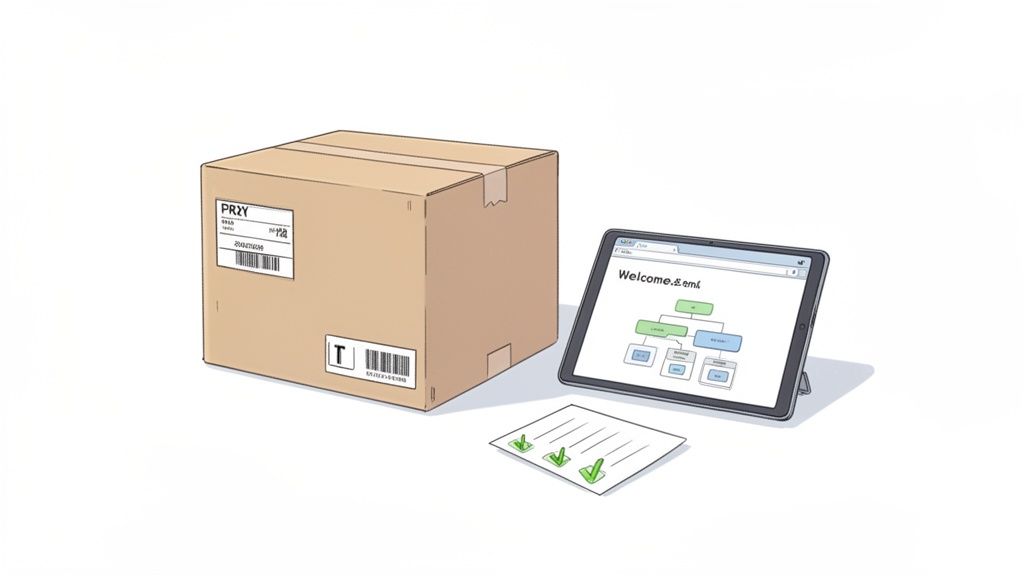
That time between an accepted offer and day one? It’s arguably the most critical and overlooked part of the entire employee journey. Too many companies go silent, leaving their newest hire feeling a bit of buyer's remorse. A thoughtful pre-boarding process completely changes that dynamic, turning what could be anxiety into genuine excitement.
This isn’t just about ticking off HR boxes. It’s your first real chance to show your new developer that your company is organized, professional, and truly cares about its people. Nailing this first impression is a massive part of getting remote onboarding right, ensuring they show up on day one feeling welcomed, prepared, and ready to contribute.
Radio silence after signing an offer is nerve-wracking. A simple, personal email from their future manager a week or so before they start can work wonders. This shouldn't feel like an automated notification; it needs to be warm and welcoming.
The hiring manager can send a quick note outlining the plan for the first week, introducing their assigned onboarding buddy, and just saying, "We're really looking forward to having you on the team." It’s a small effort that builds a bridge and makes the new engineer feel connected before they even log in for the first time.
I've seen it happen time and again: nothing sours a first day faster than tech problems. Shipping a laptop and monitor on their start date is a surefire way to kill momentum and cause frustration. All the necessary hardware needs to be in their hands at least one week in advance.
Beyond the physical gear, you have to get the digital side sorted out.
A new engineer’s first day should be about meeting people and learning the culture, not troubleshooting a VPN connection or waiting for a GitHub invitation. A smooth technical setup is the foundation of a positive remote onboarding experience.
Don't make your new hire hunt through a dozen different emails to find what they need. A central pre-boarding portal—even a well-organized folder in Google Drive or Confluence—gives them a single source of truth. This is where they can get to know the company at their own pace.
A big piece of building this hub is knowing how to develop a training curriculum that guides them logically through the need-to-know info.
Your hub should absolutely include:
Finally, don't underestimate the impact of a physical welcome package. While digital prep is crucial, a box with a company t-shirt, a nice mug, and some stickers creates a tangible connection. It's a small investment that sends a big message: "We're excited you're here, and you're already one of us." By taking care of these logistics and cultural touchpoints upfront, you set the stage for a truly productive first week.
You can undo all the great work from pre-boarding with a chaotic first week. When a new hire feels lost or isolated right out of the gate, it's a hard feeling to shake. The secret is structure—not a rigid, soul-crushing schedule, but a thoughtful plan that mixes technical deep dives with genuine human connection.
The goal here isn't to firehose them with information. It's about creating a clear, guided path that shows them they're supported and in the right place. This first week really sets the tone for their entire journey with you.
Forget about code on the first day. The absolute priority is making your new engineer feel like they've joined a team of humans, not just a list of Slack handles.
Kick things off with a team-wide video call. Keep it informal—just a round of introductions so they can put faces to names. This one simple act melts away a surprising amount of that initial digital awkwardness.
Next, the hiring manager needs a dedicated one-on-one. This is where you walk through their 30-60-90 day plan, set some clear initial expectations, and field any big-picture questions. The day should also include a super casual, no-agenda chat with their onboarding buddy. This creates a safe space to ask the "dumb" questions they might hesitate to ask their manager. Get the HR paperwork handled digitally and out of the way, and day one is a success.
With the welcome wagon out of the way, the middle of the week is for easing into the technical side of things. A lot of companies just point to a wiki and wish the new hire luck. That's a recipe for disaster.
A hands-on, guided approach works so much better.
This guided immersion demystifies your technical world and makes it far less intimidating than trying to piece it all together alone.
The week should end with a tangible win that builds momentum and confidence. Find a small, low-risk, well-documented bug fix or a tiny improvement ticket and assign it to them.
This isn't about productivity. It's about letting them experience the full development lifecycle—pulling a ticket, getting a PR approved, and watching their code go live.
Shipping even a one-line change in the first week is a massive psychological victory. It proves to the new hire that they can contribute, that the systems work, and that they're officially a functioning part of the team.
That first "ship" gives them a huge sense of accomplishment to carry into week two.
Technical onboarding is just one piece of the puzzle. To fight the isolation that can easily creep into remote work, you have to be deliberate about building social connections.
Sprinkle their calendar with a few informal, totally optional touchpoints.
The rapid move to remote work has made these strategies essential. Virtual onboarding programs saw an explosive 87% growth between 2023 and 2025. This isn't surprising when you learn that 96% of remote hires say clear communication tools are vital, and companies that nail team introductions see a 29% bump in engagement.
But there's still work to do, as 36% of remote workers find the process confusing. If you want to dive deeper, you can explore more about the latest trends in employee onboarding statistics. By blending a clear technical path with intentional social moments, you create a first week that's not just effective, but memorable for all the right reasons.
A great first week is the perfect launchpad, but the real integration of a new remote engineer unfolds over the next three months. This is the critical window where they transition from a guest in your codebase to a genuine owner and contributor. A well-structured 30-60-90 day plan is the roadmap that guides this transformation, paving a clear path to autonomy and impact.
This isn't about micromanagement. It's about providing absolute clarity. For a remote hire who can't absorb context by osmosis in an office, explicit goals are everything. This framework helps both the engineer and their manager track progress, spot roadblocks early, and celebrate meaningful wins along the way.
Here’s a practical framework that breaks down the onboarding journey into manageable, high-impact phases.
Month one is all about total immersion. The main goal here isn’t about shipping massive features; it's about the knowledge they acquire. We want them to understand the "what" and the "why" behind your product, your code, and your team.
Their focus should be squarely on:
A fantastic goal for this first month is to have them successfully ship a handful of small, well-defined bug fixes or minor improvements. It’s a huge confidence booster and gives them hands-on experience with your entire development lifecycle—from ticket to deployment.
By the end of day 30, your new engineer should feel confident finding their way around the codebase, understand the core product value, and know exactly who to ask for help. They're no longer a stranger.
With a solid foundation in place, the second month is all about ramping up contributions. The focus shifts from primarily learning to actively doing. This is when the engineer starts tackling more substantial work that requires a deeper understanding of the system.
During this phase, they should be:
Consistent feedback is non-negotiable here. Weekly one-on-ones with their manager are essential for discussing progress, untangling challenges, and tweaking goals. Around the 60-day mark, a slightly more formal review helps solidify their progress and set clear objectives for the home stretch of onboarding. Exploring ways to improve productivity for developers through better feedback loops can make these check-ins even more effective.
By month three, the training wheels start to come off. The goal is to cultivate a true sense of ownership. Your new engineer should now be evolving from a task-taker into a problem-solver who can drive initiatives forward with less and less supervision. This is the final push to becoming a fully integrated team member.
Their primary objectives now include:
A 90-day review should confirm they're on a clear path to success, feeling challenged, and making a real impact. They are now an autonomous, contributing member of the team, ready for what’s next.
To put it all together, here’s a simple framework you can adapt for your own team.
| Timeframe | Focus | Example Goals |
|---|---|---|
| First 30 Days | Immersion & Learning |
|
| Next 30 Days | Contribution & Impact |
|
| Final 30 Days | Ownership & Autonomy |
|
This structured approach transforms onboarding from a simple checklist into a strategic driver of long-term performance and retention.
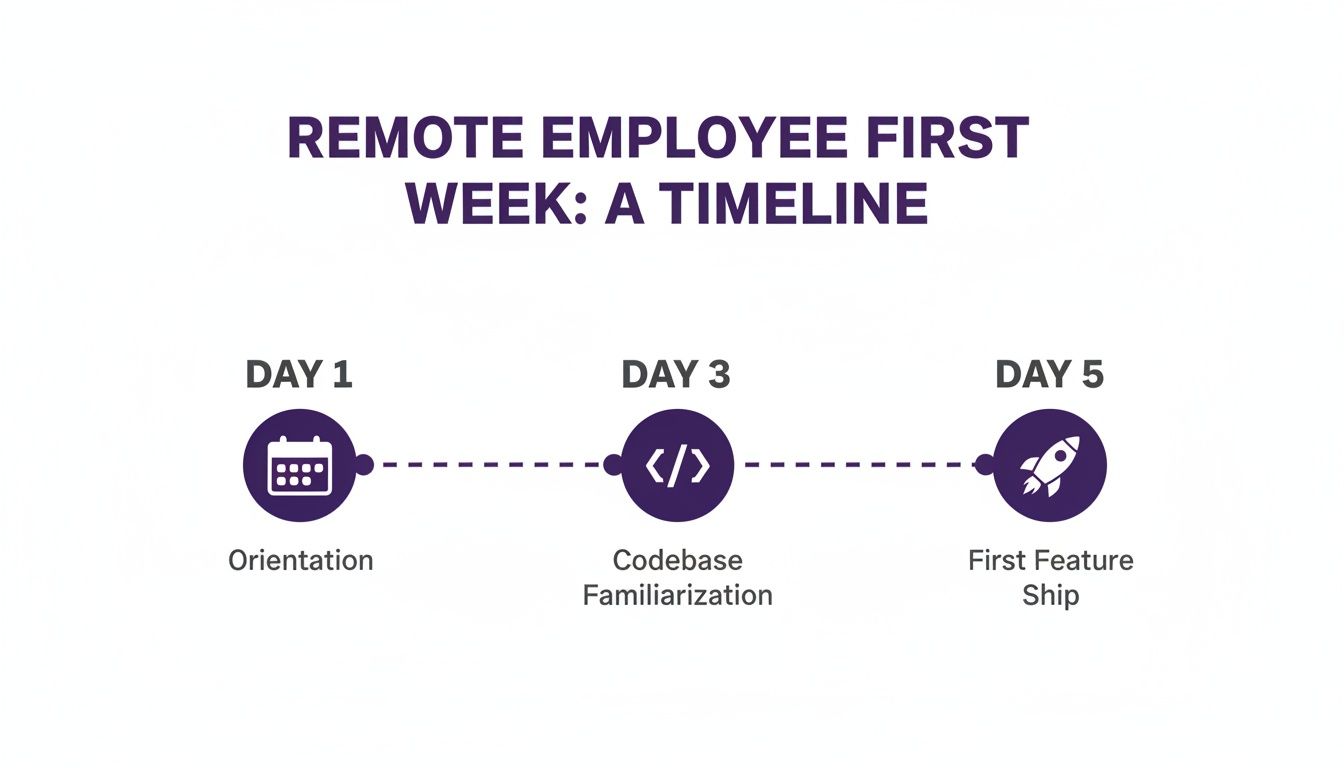
This timeline really drives home the key milestones for that first week, balancing foundational orientation with the tangible success of shipping that first piece of code. It's about building momentum from day one.
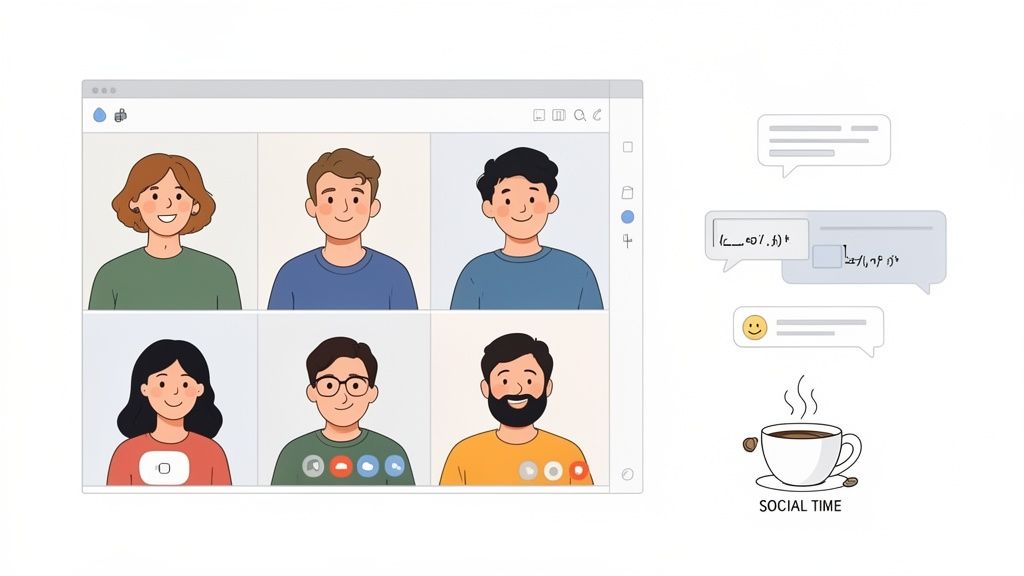
Let's be honest: all the best tools in the world won't make a new remote hire feel like they truly belong. A great onboarding experience is built on a deliberate culture of connection, where tech like Slack, Zoom, and Jira are just the tools we use to bring people together.
Simply handing over logins isn't enough. You have to actively show new engineers how your team uses these platforms to not just collaborate on code, but to build real camaraderie. It’s about creating dedicated spaces for the human side of work, not just another project board.
A strong remote culture doesn’t just happen. It’s intentionally built, piece by piece. For a new hire, seeing these pieces in action from day one is what makes them feel secure, understood, and genuinely part of the team.
It all starts with crystal-clear communication norms, especially for asynchronous work. In a remote setup, not everything needs a meeting. We have to teach and model how to document decisions in Confluence, add thoughtful context to Jira tickets, and use threaded replies in Slack properly. This clarity cuts down on the new-hire anxiety of not knowing where to find information or how to ask a question without interrupting someone's flow.
Next up is psychological safety. Your new developer has to feel safe enough to ask questions, admit they don't know something, or even challenge an idea without fearing judgment. The best way for managers to build this is by being vulnerable themselves and celebrating questions in public channels.
Creating a culture where "I don't know, let's find out together" is a common phrase is one of the most powerful things you can do. It flips uncertainty from a personal failing into a team-wide opportunity to learn.
For a remote engineer, things like mentorship and pair programming are about so much more than just code. They're the primary ways we build strong professional relationships, fight off isolation, and get someone up to speed quickly. An onboarding buddy is there for the informal questions, while a technical mentor can guide them through the nuances of the codebase.
Scheduling regular pair programming sessions is a game-changer for two big reasons:
These relationships are the connective tissue of a healthy remote team. Investing in them during onboarding pays off massively in long-term retention and team cohesion. For more hands-on advice, check out our guide on essential remote team management tips.
You can’t just hope for those spontaneous office conversations to happen remotely—you have to create the space for them. This means being deliberate about setting up non-work social interactions.
#music, #gaming, or #cooking. It’s amazing how people connect over shared interests outside of work.To really boost morale, explore some engaging virtual team building activities for remote teams that you can easily run on a platform like Slack.
The threat of remote isolation is real; research shows that 25% of fully remote workers feel lonely. But here's the flip side: for employees who get regular check-ins and clear expectations, a whopping 65% report feeling more productive and less isolated. This is exactly why building these connections isn't just a "nice-to-have"—it's a core part of a successful remote onboarding strategy.
Even with a rock-solid plan, you'll still have questions. Every manager I've worked with eventually asks, "Is this really working?" or "What am I missing?" It's normal. Let's dig into some of the most common questions that pop up when you're trying to build a remote onboarding program that sticks.
You can't just go by gut feeling. Real success is a mix of hard data and genuine human feedback. When it's working, you'll have a new engineer who feels like they belong, knows their way around the codebase, and is making a real impact within their first 90 days.
Here’s how you can get a clearer picture:
Honestly, the best insights come from just talking to them. A simple question like, "What's one thing we could have done to make your first month smoother?" will give you pure gold.
The number one mistake is the "sink or swim" approach. Just throwing a link to the company wiki at a new hire and saying "good luck" is a recipe for disaster. Remote engineers can't just tap a colleague on the shoulder, so a lack of structure feels like total isolation.
Another huge error is forgetting they're a person, not just a programmer. You can have the slickest technical setup in the world, but if you don't build in time for social connection, they'll always feel like a contractor, not a teammate.
And please, don't assume they'll ask for help. Most new hires, no matter how senior, want to seem competent. They won't want to "bother" you with what they think are small questions. It's on you, the manager, to be proactive, check in often, and make it clear that no question is a dumb question.
Making someone feel like they belong when they're hundreds of miles away takes intentional effort. It's all about showing, not just telling. A welcome kit with some good-quality company swag is a fantastic first step—it creates an immediate, physical connection to the team.
Be deliberate about scheduling virtual coffee chats or team lunches where work talk is banned. This is where the inside jokes are born and the real team bonding happens. Most importantly, pull them into your team's rituals from day one. Add them to the fun Slack channel, include them in the weekly "wins" thread, and let them see the team's personality. Feeling included is the fastest way to feel like you're part of the crew.
For a remote hire, an onboarding buddy isn't just a nice-to-have; they're a lifeline. This person is their cultural guide and their go-to for all the unwritten rules and silly questions they'd never ask their manager.
Think about the kind of questions a new developer has:
The buddy provides that crucial context. They make introductions to people in other departments and act as a consistent, friendly check-in point. This relationship single-handedly fights off the isolation that can creep in, making a new engineer feel supported long after their formal onboarding is over.
A lot of founders reach the same point at the same time. Revenue is starting to move. Customers want reliability. Engineers need direction. The product has outgrown ad hoc decisions, but the business still isn't ready for a permanent executive seat. That gap creates expensive mistakes. The team ships features without a clear architecture plan. […]

Cloud computing stopped being a hosting decision a while ago. It's now a board-level question about speed, margin, resilience, and whether your team can ship AI-enabled products without turning infrastructure into a bottleneck. The striking part is the scale. Global public cloud spending is projected to exceed $830 billion in 2026, with the overall market […]

A hiring manager has 30 minutes, a resume full of Spring buzzwords, and one job opening that cannot afford a weak hire. A candidate has the same 30 minutes to prove they understand more than annotations and starter-project patterns. This context defines Spring MVC interviews. Strong interviews usually turn on practical judgment. Can the candidate […]


