Server Crash

Nel
Posted on 6 June 2024



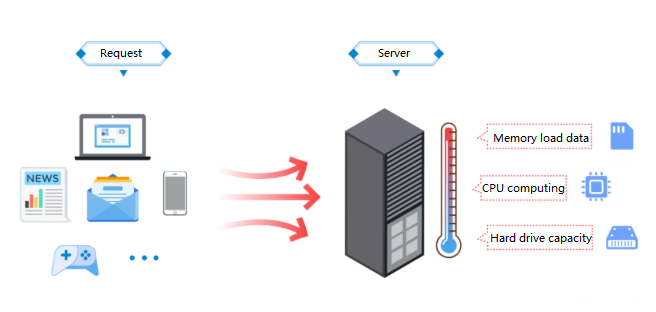
A server crash refers to the sudden and unexpected failure of a computer server, resulting in the interruption or loss of services it provides. Servers are critical components of IT infrastructure, responsible for hosting websites, storing data, managing networks, and running applications. A server crash can occur due to various reasons, including hardware failure, software issues, power outages, or malicious attacks.
Imagine a server as the heart of a complex network, pumping data and services to various parts of an organization. A server crash is akin to a sudden cardiac arrest, halting the flow of information and services, and requiring immediate intervention to restore functionality and prevent further damage.
Server crashes can manifest in different forms, ranging from minor disruptions to catastrophic failures, depending on the severity and underlying causes. Common symptoms of a server crash include unresponsive websites, error messages, data corruption, and loss of connectivity.
Hardware Failure: Components such as hard drives, memory modules, power supplies, and cooling systems can fail due to wear and tear, overheating, or manufacturing defects.
Software Issues: Operating system errors, incompatible drivers, bugs, and software conflicts can destabilize server environments, leading to crashes and system instability.
Power Outages: Sudden power surges, outages, or fluctuations can disrupt server operations and cause hardware damage or data loss if proper backup measures are not in place.
Malicious Attacks: Cyberattacks, including viruses, malware, ransomware, and distributed denial-of-service (DDoS) attacks, can compromise server security, disrupt services, and cause system crashes.
Downtime: Server crashes result in downtime, causing disruption to business operations, loss of productivity, and potential revenue loss, especially for e-commerce websites and online services.
Data Loss: Depending on backup strategies and recovery procedures, server crashes can lead to data loss, compromising critical business information, customer records, and intellectual property.
Reputation Damage: Persistent server crashes can damage the reputation of an organization, eroding customer trust and confidence in its ability to deliver reliable services.
Financial Costs: Repairing or replacing damaged hardware, restoring data from backups, and addressing security vulnerabilities incurred financial costs for organizations affected by server crashes.
Regular Maintenance: Implementing routine hardware inspections, software updates, and system optimizations to prevent potential failures and ensure server reliability.
Redundancy and Failover: Deploying redundant hardware, power supplies, and network connections, along with failover mechanisms and backup systems, to minimize downtime and data loss in the event of a server crash.
Security Measures: Implementing robust cybersecurity measures, including firewalls, intrusion detection systems, antivirus software, and data encryption, to protect servers from malicious attacks and unauthorized access.

In today’s web development landscape, delivering a seamless user experience is paramount. One crucial aspect of this experience is the ability to effortlessly upload files. Traditional file uploading methods often involve page reloads or redirects, leading to interruptions and frustration for users. Fortunately, jQuery, a widely-used JavaScript library, comes to the rescue with its Ajax...


In today’s fast-paced digital world, virtual assistants have become an integral part of our daily lives. From simple tasks like setting reminders to complex actions like making reservations, virtual assistants have proven to be invaluable tools. But have you ever wondered how these virtual assistants understand and respond to our commands with such accuracy and...

Kotlin, the modern and expressive programming language, has rapidly gained popularity in the Android ecosystem. It offers concise syntax, interoperability with Java, and a host of other features that make it a top choice for developers. Among the myriad of functionalities that Kotlin and the Android platform offer, integrating with Google Maps and its location...




